The Future of Spine Surgery (And Why You May Not Need It)
Spinal care is undergoing a remarkable transformation. What was once a field
defined by large incisions, long hospital stays, and months of recovery, is rapidly
evolving into something that looks more like science fiction – and that’s genuinely
exciting news for the millions of people worldwide living with back and neck pain.
Leading orthopedic research centres are now pioneering a new era of spine
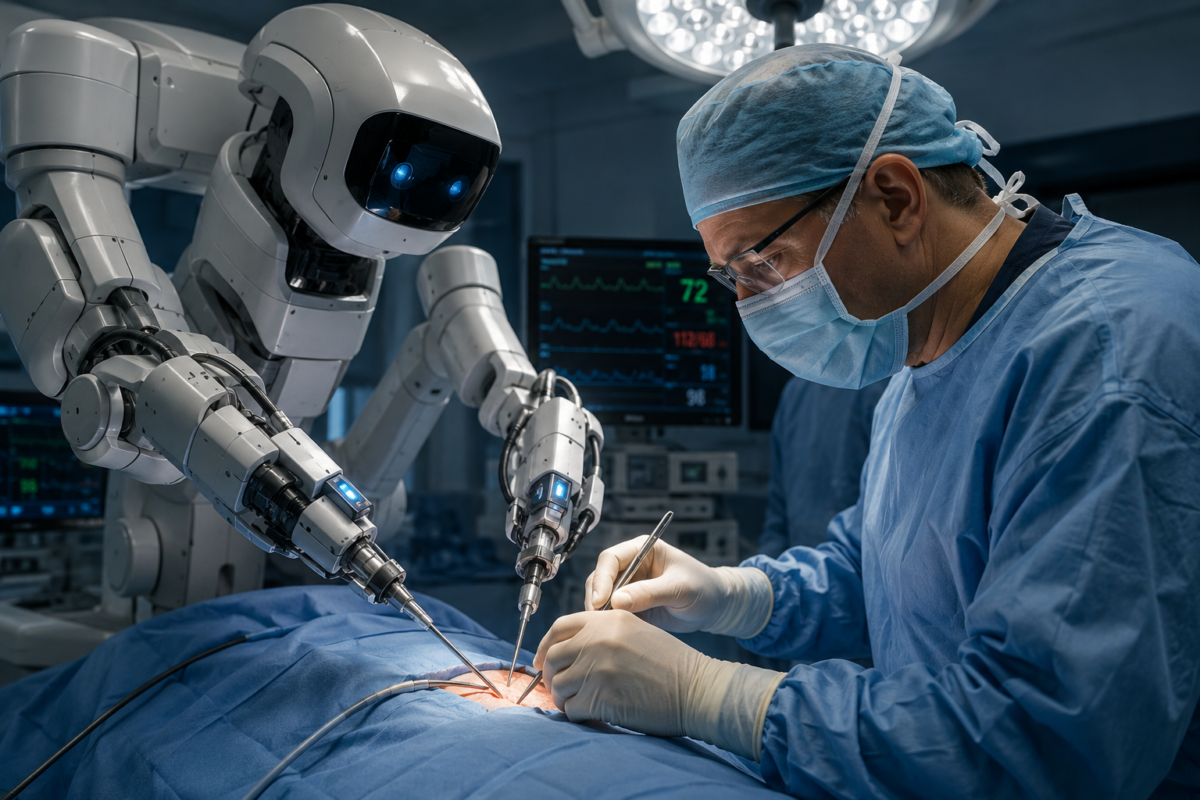
surgery built on robotics, artificial intelligence and next-generation implants. Robotic-
Assisted surgical platforms, guided by detailed CT and MRI imaging, allow surgeons
to plan complex procedures with extraordinary precision before a single incision is
made. AI tools are being integrated to analyse patient data, assess bone health and
refine surgical decisions in ways that were simply not possible a decade ago.
Perhaps most impressive is the emergence of 3D-printed, patient-specific spinal
models. Surgeons can now hold a physical replica of a patient’s exact anatomy in
their hands – complete with nerve pathways and blood vessels – rehearsing a
complex procedure before stepping into the operating theatre. Custom implants can
be designed to fit an individual’s unique spinal architecture. It is personalised
medicine at its finest.
The trend toward motion-preserving implants is equally significant. Traditional fusion
surgery – which locks spinal vertebrae together – is increasingly giving way to devices
that stabilise the spine while maintaining natural movement. New generations of
implants are being developed to replace both spinal discs and surrounding joints,
preserving flexibility rather than sacrificing it.
Minimally invasive techniques mean that procedures once requiring days of
hospitalisation can now see patients returning home the same day. Advances in
anaesthesia and nerve block technology have further reduced postoperative
discomfort and accelerated recovery. Make no mistake: these are extraordinary advances. The day when a surgical robot
performs complex spinal procedures with minimal human intervention is not far off.
******************************
And yet – the best surgery is often the surgery you never need.
No matter how precise robotic systems become, surgery carries inherent risks:
infection, anaesthetic complications, failed outcomes and lengthy rehabilitation. For
many of the most common causes of back and neck pain – disc bulges, herniations
and the nerve compression that leads to sciatica and radiating limb pain – surgery is
rarely the first answer. For others surgery is not an option due to age or other health
and lifestyle issues.
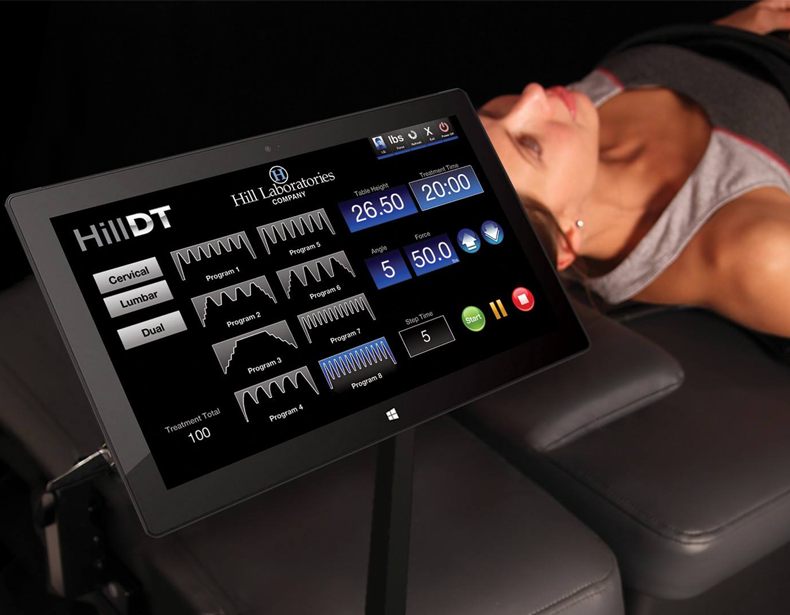
Over the past 12 years, Non Surgical Spinal Care has treated tens of thousands of people with these conditions using Non Surgical Spinal Decompression.
This non-invasive therapy is designed to relieve pressure on compressed spinal discs and irritated nerves, without medication, without needles and without recovery time, although individual results vary. And yet, surgery is not always the only path forward. Advances in spine surgery are genuinely exciting. For some people reading this, a non surgical option may also be worth discussing.
Reference:
https://newsnetwork.mayoclinic.org/discussion/ai-robotics-and-motion-preserving-implants-expand-spine-surgery-options-for-patients/
https://www.medcentral.com/pain/spine/patient-specific-3d-implants-hold-promise-for-complex-spinal-surgeries